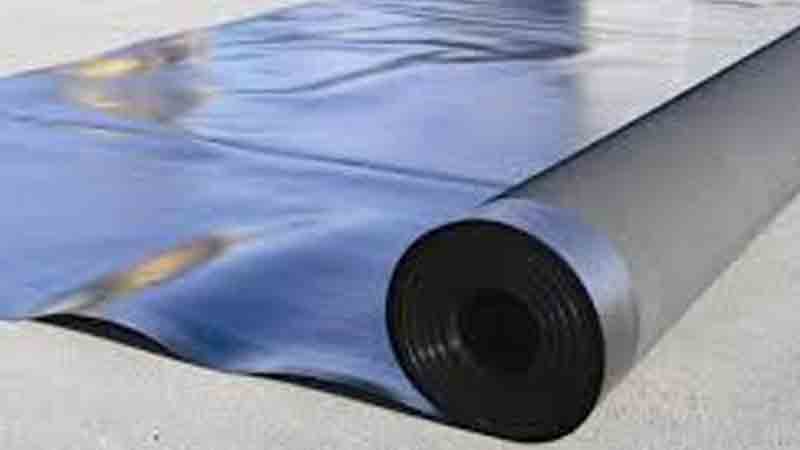
The United Arab Emirates presents one of the most challenging environments in the world for construction and manufacturing operations. With summer temperatures routinely exceeding 50°C, intense solar radiation, occasional sandstorms, and humidity levels that swing dramatically between seasons, selecting the right thermoplastic welding method is critical for long-term project success. Two primary technologies dominate the market: wedge welding and hot air welding. Understanding their differences, advantages, and optimal applications in UAE climate conditions can mean the difference between a successful installation and costly failures.
Understanding the Two Welding Technologies
Wedge Welding: The Automated Approach
Wedge welding, also known as hot wedge welding, employs a heated metal wedge that simultaneously melts two overlapping layers of thermoplastic material. As the machine advances, the wedge maintains contact with both material surfaces, creating a controlled molten zone. Pressure rollers immediately behind the wedge press the softened materials together, forming a molecular bond as they cool.
This method is predominantly used for long, straight seams where consistency and speed are paramount. Modern wedge welding equipment features digital temperature controls, variable speed settings, and automated monitoring systems that ensure uniform weld quality across entire project installations.
Hot Air Welding: The Versatile Solution
Hot air welding utilizes a stream of precisely heated air directed at both the base material and a welding rod or filler material. The operator guides a handheld welding gun along the seam, melting the surfaces while simultaneously feeding a compatible thermoplastic rod into the joint. As the materials cool, they fuse together, creating a permanent bond.
This technique offers exceptional flexibility for complex geometries, repairs, patches, and detail work where automated equipment cannot reach. The method requires greater operator skill but provides unmatched versatility for challenging applications.
UAE Climate Challenges and Their Impact
Extreme Temperature Fluctuations
The UAE experiences some of the world’s most dramatic temperature variations. Summer afternoon surface temperatures on rooftops can exceed 70°C, while nighttime temperatures may drop to 25-30°C. Winter months bring cooler conditions, with occasional drops to 10-15°C in desert areas.
These temperature swings create thermal stress on welded seams, with expansion and contraction cycles testing the integrity of joints throughout the year. Welding methods must produce bonds that maintain flexibility and strength across this entire temperature spectrum.
High Ambient Heat During Installation
Perhaps the most significant challenge for welding operations in the UAE is performing quality work during summer months when construction schedules demand it. Ambient temperatures above 45°C affect equipment performance, operator endurance, and material handling characteristics.
Thermoplastic membranes stored on job sites can become excessively soft, making them difficult to position accurately. Welding equipment may require temperature adjustments to compensate for pre-heated materials. These conditions favor certain welding technologies over others.
Solar Radiation and UV Exposure
The UAE’s position near the Tropic of Cancer results in intense solar radiation year-round. UV exposure degrades many materials over time, making weld quality critical. Seams must be as resistant to UV damage as the base membrane material, requiring complete molecular fusion rather than surface-level bonding.
Dust and Sand Contamination
Periodic sandstorms and constant dust presence throughout the UAE create contamination challenges during welding operations. Even microscopic particles trapped in weld zones can compromise seam integrity, creating potential failure points that may not manifest until years after installation.
Wedge Welding in UAE Conditions
Advantages for UAE Projects
Consistent Quality Despite Heat: Wedge welding machines maintain precise temperature control regardless of ambient conditions. Once proper parameters are established for a specific material and environmental condition, the automated process delivers uniform results across thousands of meters of seaming. This consistency is invaluable in the UAE’s extreme climate where manual processes might suffer from operator fatigue or heat-related concentration lapses.
Speed and Efficiency: On large-scale projects common throughout Dubai, Abu Dhabi, and other emirates, wedge welding significantly outpaces manual methods. Welding speeds of 10-15 meters per minute are achievable, allowing contractors to complete installations quickly and minimize weather-related delays. Working with a reputable industrial wedge welder supplier Dubai ensures access to equipment capable of maintaining these speeds even in challenging conditions.
Reduced Contamination Risk: The continuous pressure applied by wedge welding equipment squeezes out contaminants from the weld zone more effectively than hot air welding. This characteristic proves particularly valuable in dusty UAE environments where maintaining pristine welding conditions is challenging.
Minimal Weather Dependency: While extreme conditions affect all welding operations, wedge welding shows greater tolerance for moderate wind and dust compared to hot air welding. The enclosed nature of the wedge design provides some protection from environmental interference.
Lower Skill Requirements: While proper training remains essential, wedge welding requires less operator expertise than hot air welding. The machine controls most variables, reducing the human error factor. This advantage is significant in UAE’s dynamic labor market where workforce turnover can impact project quality.
Limitations in UAE Applications
Reduced Flexibility: Wedge welding equipment requires relatively flat, accessible surfaces and operates most effectively on straight seams. Complex roof geometries, penetrations, and detail work common in modern architecture cannot be addressed with wedge welding alone.
Equipment Investment: Quality wedge welding machines represent significant capital investment, which may not be justified for small-scale contractors or occasional users. Equipment costs range from moderate for basic manual units to substantial for fully automated systems.
Limited Access Applications: Renovation projects, confined spaces, and vertical applications where wedge welding equipment cannot be positioned effectively require alternative methods.
Hot Air Welding in UAE Conditions
Advantages for UAE Projects
Unmatched Versatility: Hot air welding excels in situations where wedge welding cannot function. Corner details, pipe penetrations, wall flashings, and repair patches all require the precision and flexibility that handheld hot air equipment provides. Every comprehensive UAE construction project eventually requires hot air welding capabilities, making partnerships with an experienced hot air welder distributor UAE essential for contractors seeking complete capabilities.
Lower Equipment Costs: Entry-level hot air welding equipment costs significantly less than automated wedge welding machines, making the technology accessible to smaller contractors and specialized repair firms.
Portability: Battery-powered and compact hot air welding units can be transported easily to remote sites or upper floors of buildings where moving large wedge welding equipment would be impractical.
Immediate Repair Capability: When field modifications or damage repairs are needed, hot air welding provides immediate solutions without mobilizing heavy equipment. This responsiveness is valuable on fast-paced UAE construction projects where delays carry heavy penalties.
Challenges in UAE Climate
Operator Skill Dependency: Hot air welding quality depends heavily on operator technique, experience, and consistency. Heat fatigue during summer months can compromise concentration, potentially affecting weld quality. Training and certification programs are essential to maintain standards.
Wind Sensitivity: The UAE experiences periodic strong winds, particularly during seasonal transitions. Hot air welding is highly susceptible to wind interference, which can blow away heated air before proper fusion occurs or introduce contaminants into the weld zone.
Slower Production Rates: Even skilled operators cannot match the speed of automated wedge welding on straight seams. Large-area installations using exclusively hot air welding methods require significantly more time and labor.
Temperature Control Challenges: Maintaining optimal welding temperature in UAE’s extreme heat requires constant adjustment. Materials pre-heated by sun exposure need lower heat input, while operators must compensate for heat loss in rare cool or windy conditions.
Material Compatibility Considerations
PVC and TPO Membranes
Both wedge and hot air welding work excellently with PVC (polyvinyl chloride) and TPO (thermoplastic polyolefin) roofing membranes, the most common single-ply roofing materials in UAE construction. These materials’ processing windows accommodate both welding methods, though wedge welding typically produces slightly stronger seams due to more consistent pressure application.
HDPE and LLDPE Geomembranes
High-density polyethylene and linear low-density polyethylene materials, commonly used for waterproofing, pond liners, and containment applications, present higher melting points and narrower processing windows. Wedge welding provides better temperature consistency for these materials, making it the preferred primary method. Hot air welding serves as a complementary technique for details and repairs.
Specialty Materials
Some advanced thermoplastic materials developed specifically for UAE climate conditions may favor one welding method over another. Consulting material manufacturers’ recommendations ensures optimal results.
Hybrid Approaches: The Optimal UAE Strategy
Rather than viewing wedge and hot air welding as competing technologies, progressive UAE contractors employ both methods strategically:
Primary Installation with Wedge Welding
Large field seams, whether on roofing membranes, below-grade waterproofing, or geomembrane installations, are completed using automated wedge welding equipment. This approach maximizes speed, consistency, and quality for the majority of the project area.
Detail Work with Hot Air Welding
All penetrations, terminations, corners, patches, and complex geometries are addressed using hot air welding techniques. Skilled technicians complete these critical details while automated equipment handles field seaming, optimizing both productivity and quality.
Quality Assurance Integration
Both methods benefit from comprehensive testing protocols including visual inspection, peel testing on sample welds, and non-destructive testing such as air lance or vacuum box testing on production welds. UAE building authorities increasingly require documented testing, making proper equipment and procedures essential.
Equipment Selection for UAE Operations
Climate-Specific Features
When selecting welding equipment for UAE deployment, prioritize features that address regional challenges:
Enhanced Cooling Systems: Equipment operating in ambient temperatures above 45°C requires robust cooling to maintain electronic components and prevent overheating.
Dust Protection: Sealed electronic enclosures and effective filtration systems protect sensitive components from sand and dust intrusion that can cause premature failure.
Temperature Compensation: Advanced control systems that automatically adjust heating elements based on ambient temperature and material pre-heating ensure consistent weld quality regardless of environmental conditions.
Durable Construction: Equipment must withstand harsh conditions including intense UV exposure, temperature extremes, and occasional rough handling on busy construction sites.
Training and Certification Requirements
The UAE construction sector increasingly emphasizes worker certification and quality documentation. Both wedge and hot air welding operations require:
Manufacturer-Specific Training: Equipment suppliers provide operation training for their specific machines, covering setup, parameter selection, troubleshooting, and maintenance.
Material-Specific Certification: Different thermoplastic materials require different welding parameters and techniques. Operators should hold certifications for materials they regularly work with.
Quality Control Training: Understanding testing procedures, recognizing defective welds, and implementing corrective actions are essential skills for UAE construction environments where quality standards continue rising.
Making the Right Choice for Your Project
Selecting between wedge and hot air welding for UAE applications depends on several factors:
Project Scale: Large installations with substantial straight seaming justify wedge welding investment. Smaller projects or primarily detail work may require only hot air capabilities.
Budget Considerations: Equipment costs, training requirements, and operational expenses differ significantly between methods. Calculate total cost of ownership rather than just initial equipment purchase.
Timeline Constraints: Aggressive schedules common in UAE construction favor faster wedge welding where applicable, while complex projects requiring extensive detail work need adequate time for skilled hot air welding.
Quality Requirements: Critical applications like below-grade waterproofing or containment systems may specify welding methods and testing protocols that influence technology selection.
Conclusion
Neither wedge welding nor hot air welding is universally superior for UAE climate conditions—each method offers distinct advantages for specific applications. The extreme temperatures, dust exposure, and demanding project schedules characteristic of UAE construction favor automated wedge welding for primary seaming operations, while the complexity of modern architecture and the inevitable need for repairs and details make hot air welding capabilities essential.
The most successful contractors operating in Dubai, Abu Dhabi, and throughout the Emirates employ both technologies strategically, leveraging each method’s strengths while compensating for their limitations. By investing in quality equipment, comprehensive training, and rigorous quality control procedures, construction professionals can deliver thermoplastic welding installations that withstand the UAE’s challenging climate for decades of reliable service.
Understanding these technologies and their optimal applications positions contractors, developers, and facility managers to make informed decisions that balance quality, efficiency, and long-term performance in one of the world’s most demanding construction environments.